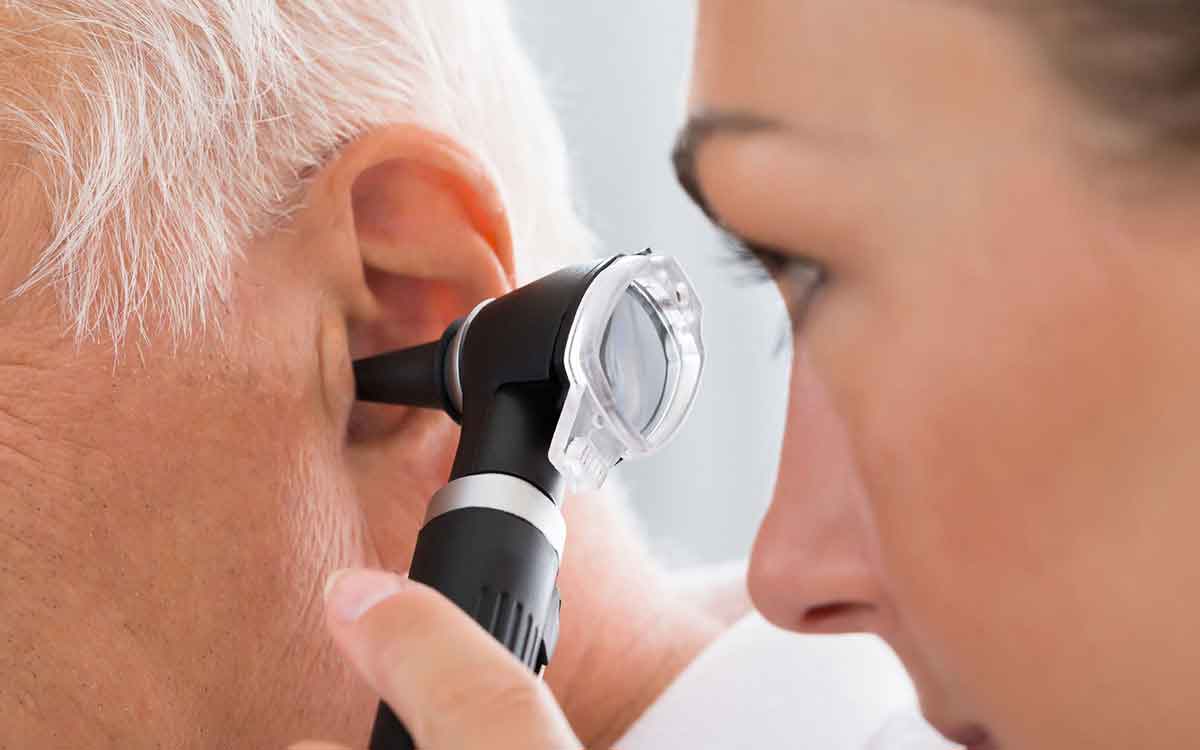
Auditory decline frequently manifests as an incremental process, which often results in the condition being missed during its initial onset. It is common for people to adjust to hearing shifts by elevating device volume and steering clear of gatherings with significant background noise.
Nevertheless, acknowledging the preliminary signs of auditory impairment remains critical for effective intervention.
Recognizing Typical Early-Stage Hearing Loss Symptoms
If you notice any of the following symptoms, it is advisable to schedule a professional evaluation.
- Reduced clarity during social interactions within high-noise areas.
- Frequently asking people to clarify their statements.
- Hearing indistinct vocal communication where sounds lack definition.
- Setting increased decibel settings for media beyond the comfort of family members.
- Reduced sensitivity to high-pitched stimuli such as bird songs or household alerts.
- The occurrence of tinnitus, characterized by ringing or buzzing in the ears.
- Feeling mentally exhausted after conversations, resulting from increased efforts to hear better.
- Retreating from communal environments as conversational tracking feels taxing.
Early symptoms could be present in one or both ears and can fluctuate at first. Due to the brain’s ability to adjust, many patients remain unaware of their compensatory habits until the deficit is significant.
Hearing Loss By The Numbers
Projection by the World Health Organization suggests that a vast population will face the requirement for clinical hearing support by mid-century. Other relevant statistics include:
- By 2050, nearly 2.5 billion people are projected to experience some degree of hearing loss.
- Over 5% of the world’s population (430 million people) necessitates support to address significant hearing loss.
- In excess of 1 billion young adults face the threat of irreversible hearing loss resulting from unsafe listening practices.
- Among those over the age of sixty, more than one-quarter have clinically significant hearing loss.
The Value of Early Hearing Loss Detection
Neglecting auditory decline influences systemic well-being and physiological status.
Research connects hearing loss with increased risks of withdrawal, mental health challenges, impairment, and balance issues.
Early intervention offers superior results and diverse therapeutic options.
Audiological testing distinguishes between noise damage, earwax buildup, or underlying infections.
In some cases, auditory shifts are transient and reversible.
Alternatively, employing safety strategies or digital hearing aids early may delay the advancement of hearing loss.
Recognizing the Need for Audiology Services
You should consider scheduling a hearing evaluation if:
- Symptoms last longer than a few weeks.
- Auditory challenges interfere with occupational performance and social life.
- Instances of sudden decline, dizziness, or persistent ringing warrant prompt evaluation.
Hearing evaluations are painless and supply valuable information about your auditory wellness.
Reach out to our audiology team if you are interested in arranging a baseline hearing evaluation.
FAQ: Early Signs of Hearing Loss
Q: Are all auditory changes linked to getting older?
A: No. While age-related hearing loss is common, hearing changes can also result from noise exposure, medications, infections, genetics, or underlying medical conditions.
Q: Can hearing loss be reversed?
A: Some causes, like earwax buildup or infection, may be reversible. Other types are permanent but can often be effectively managed with treatment or hearing devices.
Question: How frequently should an individual undergo a hearing test?
A: Adults should have a baseline hearing test by age 50, or earlier if symptoms or risk factors are present.
