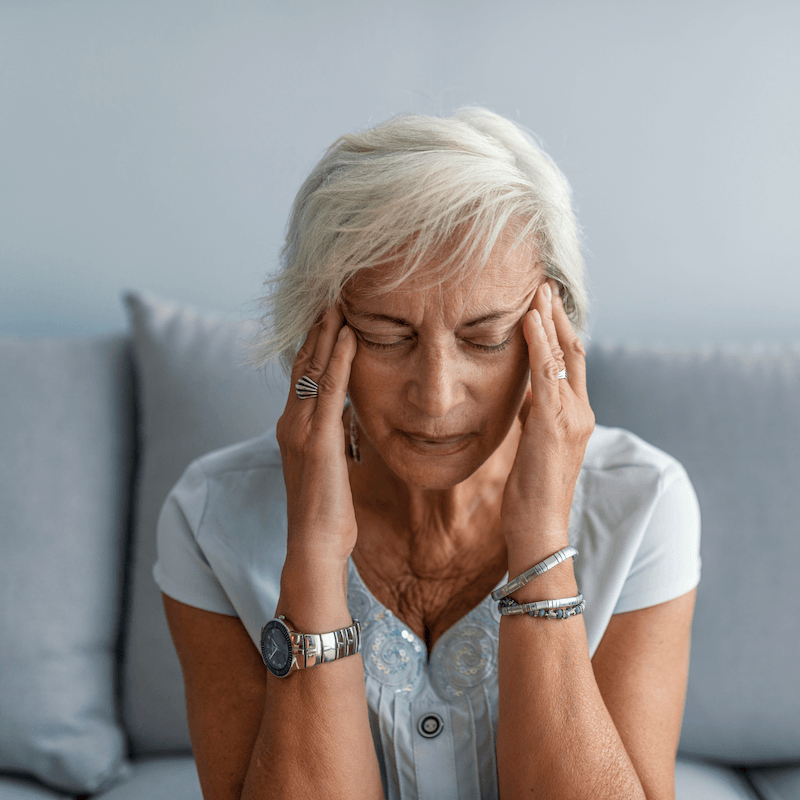
A migraine does not exclusively manifest as acute head pain; rather, a vestibular migraine predominantly impairs equilibrium, motion processing, and spatial orientation. Our ENT practice evaluates recurrent dizziness to diagnose whether a vestibular migraine or an alternative balance disorder is the primary cause. Establishing appropriate migraine treatment depends on recognizing presenting symptoms and communicating these patterns to your healthcare team.
Understanding the Clinical Differences Between Vestibular and Regular Migraines
Vestibular migraine and regular migraine share identical disease mechanisms, but their most prominent physical symptoms vary significantly. The hallmark of a typical migraine is moderate to severe unilateral throbbing head pain that intensifies during ordinary physical activities. Patients frequently report concurrent symptoms including nausea, heightened light sensitivity, sound intolerance, and classical visual aura.
Vestibular migraine characteristically triggers episodes of spinning vertigo, persistent dizziness, unsteadiness, and motion intolerance. Patients may experience coexisting head pain, but headache is not an obligatory component of every vestibular episode. Attacks may involve a false sense that the person or room is moving, dizziness triggered by head motion, or discomfort in visually busy environments.
Diagnostic criteria specify that qualifying vestibular episodes typically span between five minutes and 72 hours. Symptoms often vary in nature and intensity between separate attacks, obscuring the relationship to migraine compared to straightforward headaches.
What Factors Cause Vestibular Migraine Episodes?
Medical science recognizes that no single underlying disorder functions as the sole cause of vestibular migraine. This balance condition appears to reflect shared neurological circuits that modulate migraine signals and vestibular equilibrium data. A personal or family history of migraine and longstanding motion sensitivity may increase susceptibility.
Episodes may be triggered by:
- Irregular resting routines and inadequate nightly sleep
- Irregular nutritional intake, skipped meals, and dehydration
- Emotional stress or recovery after stress
- Menstrual fluctuations and other significant reproductive endocrine shifts
- High-contrast visual patterns, strobe effects, or glaring light environments
- Intense motion, travel, or scrolling
- Ingestion of alcoholic beverages, artificial sweeteners, or patient-specific dietary triggers
- Ambient weather shifts, storm fronts, or crowded environments causing sensory overload
Recognizing the Signs: Vestibular vs. Typical Migraine Attacks
Classical migraine attacks are readily identified by head pain, but neurological symptoms often extend well beyond local cephalalgia. Associated symptoms can include gastrointestinal distress, vomiting, visual aura, systemic exhaustion, brain fog, neck pain, and hyperacusis or photophobia.
Symptoms associated with vestibular migraine often encompass:
- Illusory rotational spinning or non-spinning disequilibrium
- Persistent postural unsteadiness, gait instability, or loss of balance
- Cervicogenic or vestibular dizziness exacerbated by head motion
- Acute nausea triggered by passive or active bodily motion
- Visual-vestibular mismatch when navigating crowded shopping aisles, moving traffic, or patterned visual fields
- Illusory sensations of bobbing, swaying, boat-like rocking, floating, or directional pulling
- Acute sensitivity to daylight, artificial lighting, loud acoustic sounds, and complex visual environments
- Sensation of intense cranial pressure, sinus heaviness, or classic throbbing migraine pain
- Temporary sensations of ear canal pressure, fullness, or high-pitched tinnitus
Analyzing episode frequency, duration, and precipitating factors helps differentiate vestibular migraine from competing inner ear pathologies. Sudden dizziness that coincides with motor weakness, limb numbness, difficulty articulating speech, double vision, syncope, or inability to stand requires immediate emergency assessment.
Overlapping Attacks: When Vestibular and Regular Migraines Coincide
Yes, they can. A patient can experience debilitating vertigo and a throbbing migraine headache concurrently in the same episode. The dizziness may begin before the head pain, develop while the headache is active, continue afterward, or appear during a separate episode. Certain patients experience cyclical shifts, alternating between headache-predominant and vertigo-predominant episodes over extended periods.
An acute vestibular event can be fully driven by migraine mechanisms even in the complete absence of head pain. Keeping a comprehensive symptom log allows you and your physician to identify clinical connections that are hard to recall later. Log the duration of balance loss, headache features, sensory symptoms, menstrual cycles, sleep schedules, food intake, suspected triggers, and medication effectiveness. Having this documented history enables your clinician to formulate a significantly more accurate diagnosis.
Establishing a Vestibular Migraine Diagnosis: Testing and Criteria
Clinicians cannot rely on a single laboratory marker, radiological scan, or balance study to confirm vestibular migraine. The diagnostic pathway commences with an in-depth clinical interview regarding attack presentations and personal migraine history. Current criteria generally include at least five moderate or severe vestibular episodes lasting five minutes to 72 hours, with migraine features during at least half of them.
Our team carries out comprehensive neurological evaluations, ocular motor exams, ear assessments, diagnostic hearing tests, and vestibular function studies. Tailored to your clinical needs, diagnostic protocols can incorporate pure-tone audiograms, positional testing, specialized vestibular studies, or MRI scans. These tests help identify or rule out conditions that can cause similar dizziness. A formal diagnosis of vestibular migraine is established only when clinical criteria are satisfied and no alternative condition provides a better explanation.
What Treatments Are Available for Vestibular Migraines?
Therapeutic strategies are carefully customized based on episode frequency, attack intensity, presence of cephalalgia, systemic medical comorbidities, and pharmacological side effects. Most individuals find the greatest relief through an integrated regimen combining daily preventive protocols with an acute rescue plan.
We help build a customized treatment plan, which may include:
- Implementing disciplined daily habits including consistent sleep schedules, regular nutrition, hydration, and exercise
- Methodically identifying and eliminating confirmed individual triggers
- Utilizing behavioral health interventions, relaxation training, or cognitive stress-management techniques
- Utilizing pharmaceutical antiemetic therapies to control severe nausea and associated symptoms
- Restricting vestibular suppressants strictly to short-term management during severe vertigo flares
- Daily preventive medications such as beta-blockers, calcium channel blockers, topiramate, specific antidepressants, or novel migraine drugs
- Prescribed vestibular rehabilitation protocols to alleviate ongoing unsteadiness and motion-induced dizziness
Prescription vestibular suppressants must be used with caution, as continuous dosing induces significant sedation and inhibits central vestibular compensation. All prescription decisions must be established alongside our clinical team rather than borrowed from someone else’s treatment protocol. Achieving lasting clinical success may require steady medication adjustments and consistent tracking of episodes over time.
Schedule a Vestibular Migraine Evaluation
If recurring vertigo, motion sensitivity, or imbalance is disrupting daily life, schedule an evaluation with us. We begin your evaluation with a detailed review of migraine patterns, systemic health, and recovery targets, conducting specialized tests to distinguish vestibular migraine from BPPV, Ménière’s disease, and related vestibular issues. Contact our ENT clinic today to schedule your vestibular migraine appointment.
