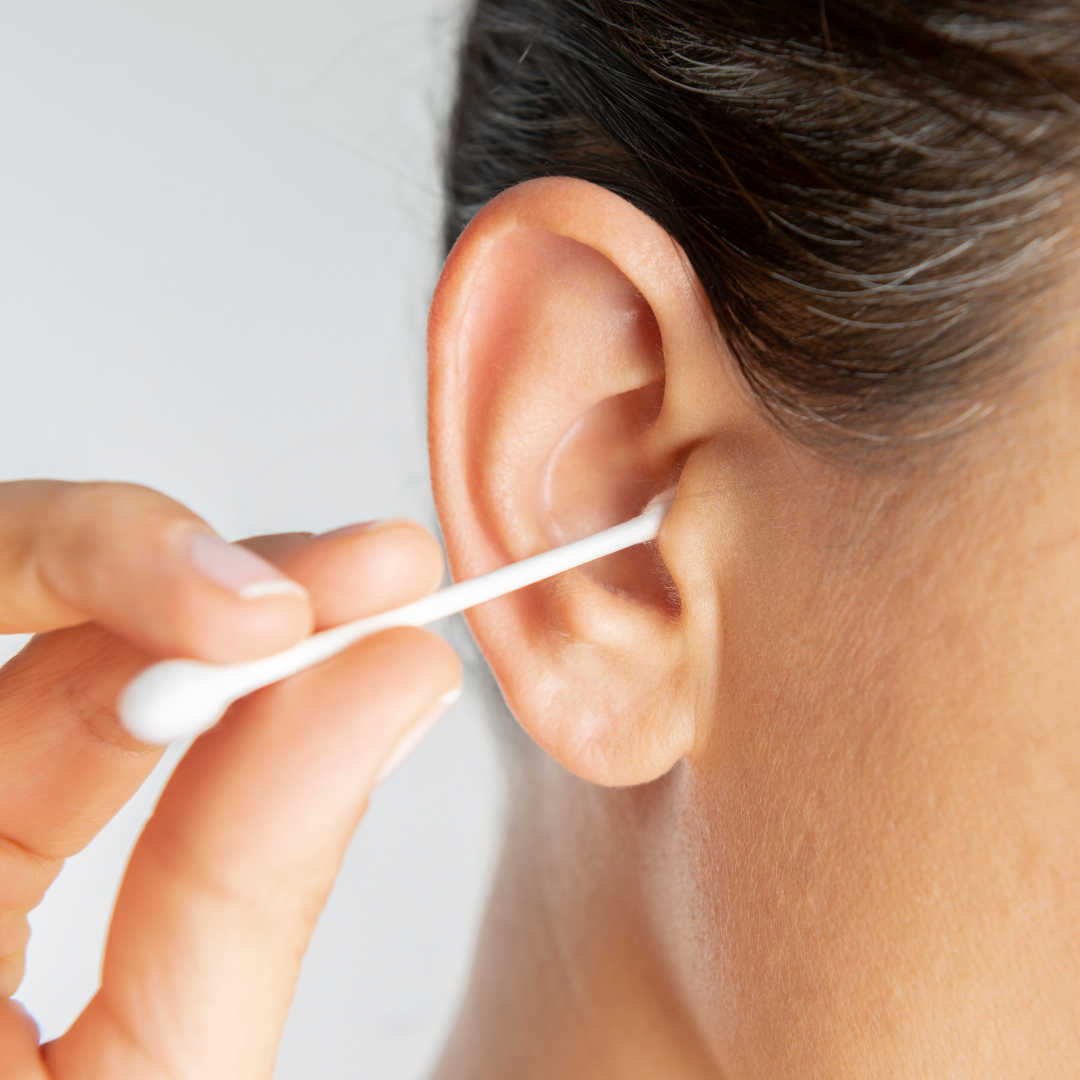
While many consider cotton swabs handy cleaning devices, placing them in the ear canal disrupts natural clearing and causes physical damage. We can determine whether earwax actually needs removal and recommend a method suited to your ear health. The auditory canal generally manages its own cleaning; however, should impaction arise, our team provides safe clinical earwax removal.
Why Cotton Swabs Create Complications Inside the Ear
Clinically speaking, earwax, or cerumen, should never be regarded as dirt or debris. It traps dust and debris, helps limit bacterial growth, lubricates the ear canal, and protects its sensitive skin. Rhythmic jaw motion and outward dermal migration move drying wax toward the external orifice, where it effortlessly washes away.
A Q-Tip placed inside the canal can disrupt this self-cleaning process. Though the cotton tip may capture superficial debris, it frequently rams the larger wax volume deeper toward the tympanic membrane. Ongoing cotton swab use regularly condenses wax into a solid obstruction, causing a congested feeling that drives repetitive cleaning attempts.
Cotton swabs may be used around the folds of the outer ear, but they should not enter the canal.
Mechanical Trauma: Risks of Cotton Swabs in the Ear
Canal skin is thin, vascular, and highly vulnerable to mechanical abrasions. Microscopic tears cause acute discomfort or hemorrhage while exposing tissue to bacteria, which heightens the probability of an outer ear infection. In addition, the cotton head can loosen and become retained as an obstructing foreign object in the ear.
Swab-related clinical injuries include:
- Deep mechanical cerumen impaction
- Cutaneous tearing, swelling, canal inflammation, or bleeding
- Acute otitis externa or canal infection
- Foreign matter or cotton material lodged in the ear
- Traumatic perforation of the eardrum
- Injury to the tiny hearing bones behind the eardrum
- Temporary or permanent hearing changes
- Tinnitus, dizziness, or severe ear pain
Even though major trauma is uncommon, someone bumping your arm, a sudden hand slip, or deep over-insertion can cause severe damage.
Recommended Schedules and Timelines for Cerumen Removal
Most people do not need to remove earwax on a schedule. Healthy ear physiology steadily propels wax toward the surface, where daily hygiene cleans the external ear. Excessive cleaning strips natural oils, inflames delicate canal skin, and substantially elevates the chance of infection or impaction.
Removal becomes appropriate when wax blocks the canal, prevents us from examining the eardrum, interferes with a hearing aid, or causes discomfort.
Safe Home Strategies for Managing Earwax
If earwax is not causing symptoms, leaving it alone is usually the safest option. Restrict hygiene to wiping the outer ear folds with a damp cloth while permitting the canal to self-evacuate.
When dry wax demands pre-treatment, we often advise using an OTC cerumenolytic solution or drops composed of glycerin, mineral oil, carbamide peroxide, or saline. Ensure you use the exact recommended volume and follow the labeled duration instructions carefully. Discontinue administration immediately if the solution sparks pain, severe dizziness, skin rash, or worsening ear fullness.
Home flushing is contraindicated in many cases and should solely be conducted after an expert confirms safety and reviews proper methods. Absolutely avoid using high-velocity dental water jets inside your auditory canal. Steer clear of dangerous tools such as ear candles, metal curettes, lighted camera tools, bobby pins, and home vacuum devices. Such unregulated implements can cause thermal burns, canal lacerations, eardrum perforations, or deeper cerumen impactions.
When Is Professional Earwax Extraction Necessary?
Set up an audiological evaluation whenever your ear stays plugged after softening care, wax is firmly impacted, or home efforts fail repeatedly. Clinical extraction is strongly recommended for patients unable to remain motionless, those with stenotic canals, hearing aid users, or individuals with surgical histories that contraindicate drops or flushing.
Schedule an ear exam promptly if you experience:
- Acute otalgia, unrelenting canal pruritus, or physical tenderness
- Active bleeding, pus formation, clear exudate, or malodorous drainage
- Systemic fever spikes or acute swelling near the external ear
- New tinnitus or dizziness
- Hearing loss that develops suddenly or continues after wax removal
- A possible eardrum perforation or cotton fragment trapped inside
- Recurrent impaction that affects hearing devices
Treat sudden hearing loss in one ear as a medical emergency rather than assuming it’s wax. Rapid audiological testing differentiates simple cerumen obstruction from serious, time-sensitive inner ear disorders.
Clinical Methods for Safe Earwax Extraction
First, we inspect the auditory canal under otoscopic or microscopic visualization to confirm wax occlusion and rule out infections, tissue trauma, or eardrum perforations. The safest removal method depends on wax consistency, canal anatomy, medical history, previous surgery, and the patient’s ability to tolerate the procedure.
In-office clinical procedures include:
- In-office or pre-visit cerumen-softening drop applications
- Regulated mechanical irrigation with body-temperature saline for sealed eardrums
- Gentle suction under direct visualization
- Direct physical removal using precision instruments such as loops, curettes, or tiny forceps
Direct illumination and magnification enable the provider to spare sensitive canal skin and stop promptly upon patient feedback. Utilizing more than one removal technique may be necessary to resolve dry or severely compacted wax. Following cerumen extraction, a complete post-procedure examination verifies that the canal epithelium and tympanic membrane are intact. Should lingering fullness, tinnitus, balance instability, or reduced hearing continue, targeted diagnostic exams can pinpoint the secondary factor.
Schedule an Expert Cerumen Removal Consultation
Should your ears feel congested or your hearing performance decline, arrange an evaluation with our audiology clinic instead of reaching for swabs. The diagnostic session entails reviewing your symptom timeline, past otologic procedures, hearing aid usage, past home treatments, and risk factors for recurring cerumen. Connect with our hearing care practice today to reserve an appointment for safe, professional earwax removal.
