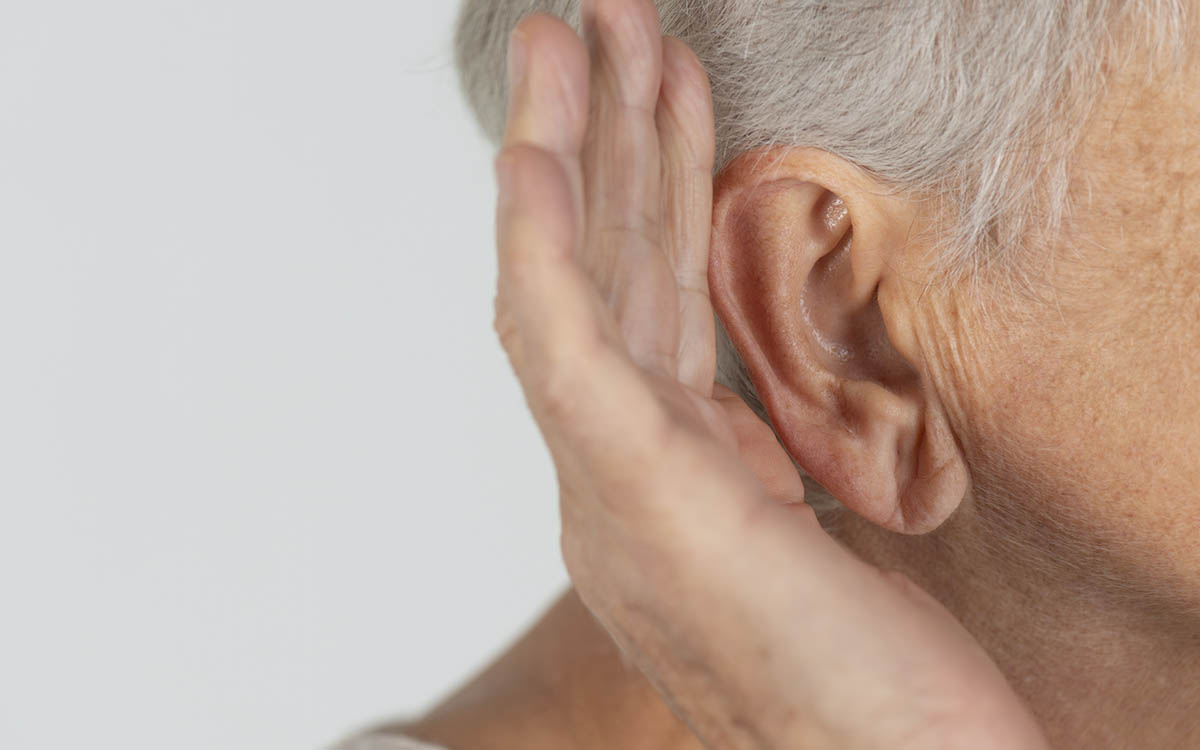
Most people associate hearing loss with advancing age, yet for a vast number of citizens, auditory trauma initiates much earlier in life. As one of the most prevalent and avoidable types of auditory impairment, noise-induced hearing loss typically progresses slowly, remaining undetected until the damage is irreversible.
Grasping the longitudinal impact of sound exposure on the auditory system facilitates proactive protection before significant hearing loss occurs.
What Is Noise-Induced Hearing Loss?
Noise-induced hearing loss is characterized by the degradation of intricate inner ear components. As reported by the CDC, auditory impairment may begin with chronic exposure to noise levels over 85 decibels. Louder sounds, like those from concerts, power tools, or firearms, can cause damage in minutes or even seconds.
The inner ear contains microscopic sensory receptors known as hair cells. The function of these cells is to transduce mechanical vibrations into neural impulses for cerebral processing. Following injury, these hair cells lack the biological capacity to regenerate, which renders noise-related hearing loss an irreversible condition.
Analyzing the Accumulation of Ear Damage
A primary clinical concern regarding noise-induced hearing loss is its typically slow rate of progression. Initial clinical indicators of sound-induced trauma may involve:
- Short-term episodes of Tinnitus or buzzing within the ears
- Post-exposure auditory dullness or perceived muffling of sound
- Challenges involving speech comprehension within high-noise settings
These early warning signs may fade, leading people to assume their hearing has “recovered”. In reality, repeated noise exposure continues to injure inner-ear structures, leading to a progressive decline in hearing resolution.
Statistics from the HLAA suggest that 48 million Americans have some form of hearing loss, frequently with unidentified etiology.
Hazardous Daily Risks contributing to Ear Injury
Modern society is characterized by high ambient noise, which frequently leads to a lack of awareness regarding sound intensity. As a result, many individuals remain unaware of the clinical prevalence of damaging noise exposure.
Typical noise-generating sources consist of:
- Professional music performances and concert environments
- High-volume output from personal listening equipment
- Lawn equipment, power tools, and motorcycles
- Occupational noise exposure within the construction or manufacturing sectors
Since these noises are integrated into daily routines, cumulative damage often occurs without immediate clinical indicators.
The Reason Proactive Safeguards Are So Important
In contrast to certain medical conditions, noise-induced hearing loss is characterized by its permanent nature. However, it is highly preventable. Adopting straightforward preventative behaviors can markedly decrease the likelihood of injury, including:
- Employing earplugs or specialized earmuffs during high-decibel exposure
- Limiting headphone decibels and implementing the 60/60 rule for safe listening
- Taking listening breaks to give your ears time to recover
- Arranging for routine Audiology assessments if noise exposure is frequent
Indicators to Consult with Clinical Auditory Assessments
Patients observing ongoing Tinnitus, challenges in conversation, or shifts in auditory acuity should contact an Audiologist. Prompt clinical evaluation is vital for tracking auditory status and formulating effective hearing preservation plans.
Implementing protective measures today safeguards your auditory capacity for the years ahead. While environmental noise is often inevitable, hearing loss is a preventable outcome. Contact our team today to schedule a consultation and make sure you’re hearing your best.
