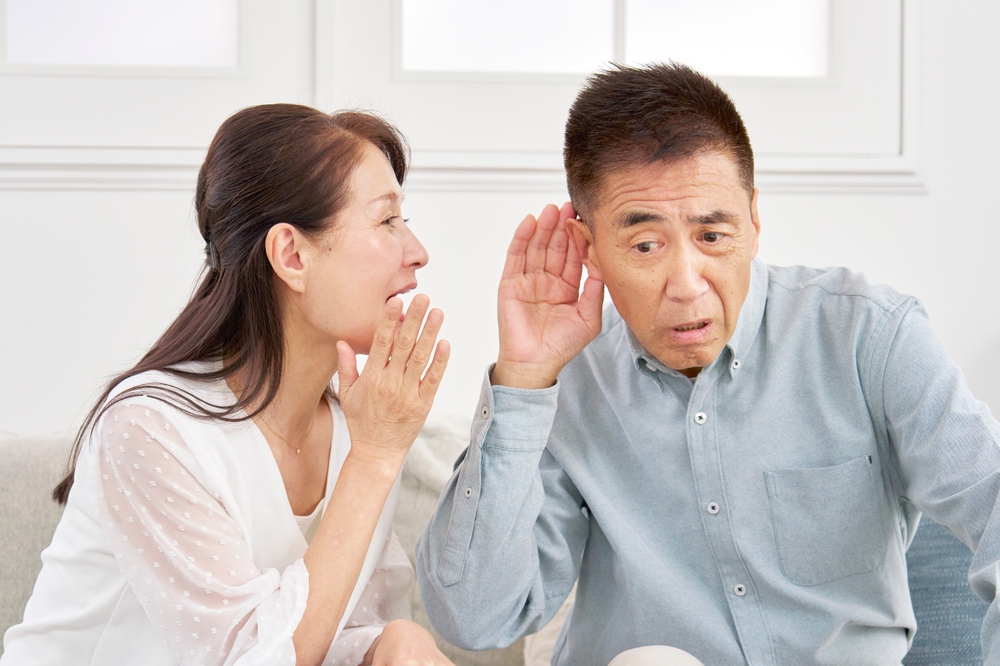
Prevalent myths regarding hearing loss frequently act as a barrier to necessary audiological treatment. Early diagnostic accuracy is essential for anyone experiencing the onset of hearing loss. Subscribing to auditory misinformation can hinder treatment timelines and compromise social connectivity.
Distinguishing audiological reality from fiction empowers patients to make data-driven healthcare choices. The following analysis deconstructs seven common hearing fallacies using modern audiological data.
Myth: Hearing Impairment is Solely a Condition of Aging
While sensory shifts are frequent in seniors, hearing loss remains a cross-generational health concern. Hearing impairment in younger patients is frequently caused by environmental noise, genetic predisposition, or systemic illness.
Assuming hearing loss is only an “aging issue” can prevent people from recognizing early symptoms and seeking appropriate care.
The “I Can Still Hear” Fallacy
An individual can suffer from hearing loss without experiencing a complete loss of sound. Individuals with moderate deficits may hear volume but lack the clarity required for word discrimination. The space between normal hearing and total impairment is populated by various degrees of clinical challenges.
Common indicators include struggling with speech in noise, requesting repetition, or experiencing post-social cognitive fatigue. These are common early signs of hearing changes that should not be ignored.
3. Myth: Hearing Loss Is Simply an Inconvenience
Ignoring hearing loss creates systemic health risks that impact the entire neurological system. Clinical studies associate untreated impairment with isolation, elevated cortisol levels, and accelerated cognitive decline.
Managing your hearing health is a critical step in preserving your holistic quality of life.
Myth: Amplification Devices Accelerate Ear Damage
The fear that hearing aids weaken the natural ear is a persistent but medically unfounded myth.
Hearing aids do not damage your ears. These devices use precision digital processing to target frequencies identified in your hearing test. By stimulating the auditory nerve, these devices help prevent the “unlearning” of speech sounds in the brain.
Myth Five: The Aesthetic Stigma Fallacy
The landscape of audiological hardware has undergone a radical digital transformation. Modern hardware has reached a peak of efficiency, offering discrete aesthetics with high-fidelity sound. Numerous models—such as Invisible-in-the-Canal (IIC) devices—remain completely hidden during daily use.
Beyond their small profile, these devices feature AI-driven noise cancellation and seamless smartphone integration.
6. Myth: If My Hearing Loss Is Mild, I Don’t Need Treatment
Even mild hearing loss can impact communication and daily life. Early treatment helps prevent listening fatigue and reduces the strain placed on the brain during conversations.
Early clinical action ensures that the brain’s auditory processing centers remain sharp and functional.
Why OTC Devices Often Fall Short of Clinical Needs
Generic OTC amplifiers lack the sophisticated frequency shaping required for complex hearing loss profiles. Professional diagnostics ensure your hearing solution is “tuned” to your specific environment and biology.
Personalized care makes a significant difference in both comfort and clarity.
Don’t Let Hearing Loss Myths Hold You Back
Any change in hearing can feel scary, which is why many people brush it off and delay seeking care. But believing common myths about hearing loss can make symptoms more challenging over time. A professional assessment is an easy, stress-free way to gain total clarity on your ear health.
If you’ve noticed changes in your hearing (even subtle ones), a professional assessment is an important first step. Seeking help sooner rather than later preserves both your social life and your neurological sharpness.
Our practice is dedicated to your auditory wellness; reach out to us for a comprehensive review. Contact our office today to schedule your personalized hearing consultation.
