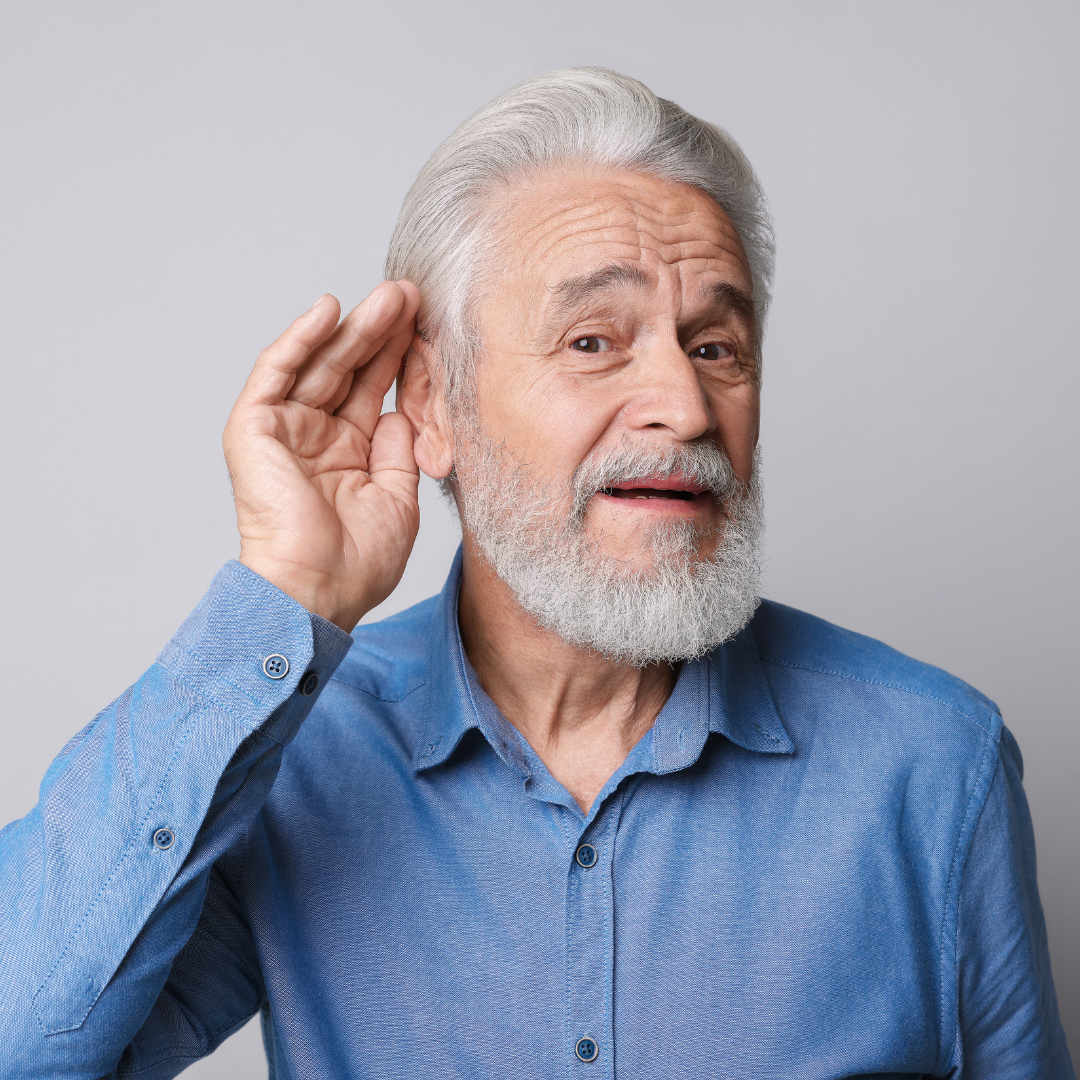
Experiencing a rapid decline in hearing in a single ear is a distressing event that creates understandable uncertainty. We deliver urgent diagnostic hearing tests and partner with otolaryngologists to ensure comprehensive medical intervention when hearing drops rapidly. An acute sudden hearing loss demands prompt evaluation by an audiologist or ENT physician to initiate time-sensitive medical care or auditory rehabilitation.
Why Acute Single-Sided Hearing Loss Demands Emergency Care
Yes, it is. Sudden hearing loss in a single ear demands immediate emergency medical care, particularly when symptoms progress within a few hours or days. Sudden sensorineural hearing loss, colloquially known as sudden deafness, compromises the sensory hair cells of the inner ear or the auditory nerve. The episode frequently strikes without pain, making it easy to dismiss as seasonal allergies, sinus pressure, or a clogged ear.
Common clinical manifestations include:
- A sudden decline in unilateral sound perception or vocal intelligibility
- Difficulty hearing through one ear during a phone call
- An audible popping sound or intense feeling of aural fullness preceding the auditory decline
- Acute tinnitus presenting as ringing, roaring, or buzzing localized to the compromised ear
- Balance disturbances, postural unsteadiness, or acute vestibular vertigo
Refrain from waiting for spontaneous recovery to restore your hearing acuity. Contact us, an urgent care clinic, or an ear, nose, and throat specialist for same-day guidance.
Timing and Prognosis: Why Immediate Care for Sudden Hearing Loss Is Vital
Immediate audiological evaluation is vital because clinical therapies for sudden sensorineural hearing loss deliver the greatest recovery potential when deployed without delay. Our immediate task involves verifying whether the impairment is conductive due to wax or middle-ear effusion, or sensorineural originating within the sensory organ or auditory nerve. Even though conductive blockages and neural losses present with similar symptoms, they demand radically distinct medical protocols.
Performing physical otoscopy alongside a diagnostic hearing test confirms the exact classification, frequency configuration, and decibel severity of the hearing loss.
Obtain urgent emergency medical evaluation without delay if sudden hearing loss is accompanied by:
- Acute facial nerve weakness, asymmetrical drooping, or numbness
- Impaired speech articulation, profound cognitive confusion, or an intense new headache
- Sudden double vision, loss of consciousness, or profound unsteadiness when walking
- Sudden chest pain or clinical hallmarks of a systemic medical crisis
Such clinical signs strongly suggest an acute stroke, neurological event, or vascular emergency that must bypass routine clinical scheduling.
Pathophysiological Causes of Sudden Sensorineural Hearing Loss
In most clinical diagnoses of sudden sensorineural hearing loss, the precipitating cause remains completely idiopathic. In cases where an etiology is successfully uncovered, it frequently involves localized inflammation, physical trauma, microvascular compromise, autoimmune pathology, or auditory nerve disorders.
Potential causes include:
- Viral cochleitis or secondary bacterial infections
- Concussive physical head trauma or sudden high-decibel acoustic trauma
- Underlying autoimmune conditions attacking cochlear tissue
- Pharmacological ototoxicity resulting from specific clinical medications
- Acute circulatory compromise or cochlear microvascular infarction
- Structural inner ear diseases, notably symptomatic Ménière’s disease
- Neurodegenerative or demyelinating disorders such as multiple sclerosis
- A vestibular schwannoma (acoustic neuroma) developing on the vestibulocochlear nerve
Since patient symptoms alone cannot isolate the precise pathophysiological cause, immediate physical exam and audiologic testing are essential.
Medical Management and Interventions for Sudden Sensorineural Hearing Loss
Corticosteroids are a common treatment when sudden sensorineural hearing loss has no clear cause. Providers may prescribe oral systemic steroids or deliver local intratympanic injections through the eardrum, targeting the inner ear directly. Clinical treatment pathways are determined by our specialists based upon presentation timing, loss magnitude, underlying health status, active prescriptions, and risk factors.
Medical evidence supports initiating steroid treatment within the first two weeks, underscoring the necessity of immediate clinical intervention. When initial recovery is insufficient, physicians frequently recommend intratympanic steroid injections as a targeted salvage intervention. In select patient profiles, your physician may review hyperbaric oxygen therapy integrated with systemic corticosteroid protocols.
The Reality of Spontaneous Recovery in Sudden Hearing Loss
A sudden sensorineural hearing loss may occasionally resolve on its own without pharmacological treatment. Literature indicates that approximately 50 percent of patients recover some or all hearing spontaneously, frequently within the first one to two weeks. Still, there is no clinical way to predict at symptom onset who will experience spontaneous recovery, how much hearing will be regained, or whether stability will persist.
Hoping for spontaneous recovery does not justify waiting or postponing clinical intervention. Medical interventions become markedly less effective at reversing permanent deficits when delayed by weeks, closing a critical therapeutic window. Recovery may be complete, partial, or minimal.
Rehabilitation Options for Treatment-Resistant Sudden Hearing Loss
If the affected ear does not regain full function, subsequent steps hinge on residual hearing levels, word-recognition clarity, and the exclusion of structural pathology. Our clinicians frequently recommend diagnostic MRI imaging or specialized auditory brainstem response testing to evaluate the hearing nerve and surrounding anatomy.
Comprehensive long-term auditory solutions encompass:
- A traditional hearing aid when the ear retains usable hearing
- Utilizing a CROS hearing aid system designed to stream acoustic signals from the impaired ear to the normal-hearing ear
- An osseointegrated bone-conduction hearing system or bone-anchored hearing device for qualifying candidates
- Clinical cochlear implantation for candidates meeting criteria for profound unilateral deafness
- Specialized assistive listening devices (ALDs) to support communication during professional, educational, or social demands
Individualized audiologic rehabilitation actively addresses listening fatigue, compromised directional localization, and conversational strain. The optimal clinical choice is guided by diagnostic hearing test findings, individual acoustic environments, medical background, and personal lifestyle objectives.
Schedule an Urgent Hearing Evaluation
If you experienced a sudden drop in hearing today or within recent days, seek same-day clinical intervention instead of waiting for a standard checkup. Our clinic will perform comprehensive diagnostic hearing testing, compare thresholds between ears, document onset chronology, and coordinate urgent care with an ENT physician.
Connect with our clinical office right away to arrange an urgent hearing assessment.
