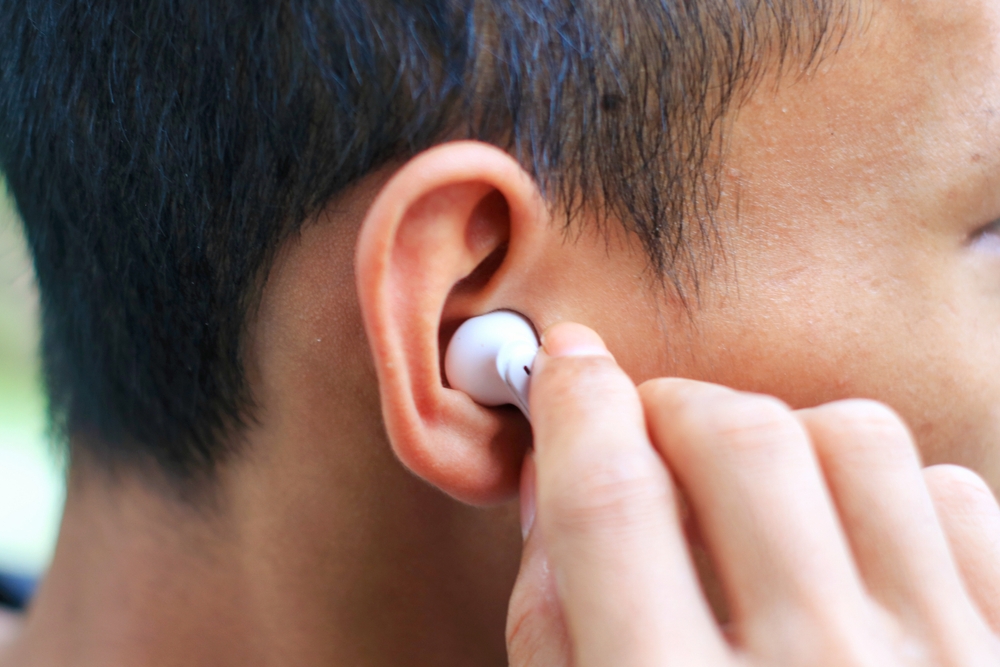
Rarely do we see a young adult in public without an earbud in their ears. Headphones are a bit more cumbersome, but teens still find them a way to escape from their surroundings. Musical enjoyment knows no age limit, though the younger generation has integrated it more deeply into their daily transitions. So, can headphones cause hearing loss since they are so close to our ears? It’s not the device itself, but how we use it.
When Healthy Listening Becomes Hazardous
Acoustic stimuli can act as a sedative, an emotional balm, or a powerful stimulant depending on the tempo. Depends on the music. Employing in-ear monitors is an effective method for maintaining acoustic privacy in public environments. This is a widely appreciated social habit that helps maintain a respectful atmosphere in shared transport settings.
The real questions are: how loud is too loud, and how long is too long? In reality, excessive sound pressure is universally hazardous to the delicate structures of the cochlea. Combining high-intensity sound with extended exposure times can lead to permanent sensorineural damage. Because auditory decline is often a slow, cumulative process, the damage is frequently advanced before symptoms are noticed.
The Key Dangers of Headphones and Earbuds
Volume is the key danger for noise-induced hearing loss. Yet, we must remember that the length of time spent listening is equally important as the decibel level.
- The National Institutes of Health (NIH) recommends listening at below 70 decibels. Even after long exposure, you won’t have any hearing loss.
- The rate of auditory trauma increases exponentially as the decibel level rises.
- To protect your ears, utilize the 60/60 guideline: never exceed 60% power and rest after 60 minutes of use.
- You can safeguard your auditory health by reducing device intensity and monitoring your cumulative daily usage.
Indicators That You May Need a Hearing Evaluation
Experiencing aural fullness, persistent **tinnitus**, or difficulty deciphering dialogue in crowds suggests it is time for a clinical hearing test.
Contact our office today if you suspect you may have hearing loss.
